Food Truck Loans: Financing Options for Mobile Food Businesses
Food truck loans typically range $25K–$200K and combine equipment financing (for the truck and kitchen build-out), working capital (for inventory and permits), and sometimes an SBA microloan ($8–13% APR per current SBA program data). Startups can qualify with 6 months in business and $8K+/month revenue; established trucks unlock broader product menus including LOC and term loans.

Food truck loans typically range $25K–$200K and combine equipment financing (for the truck and kitchen build-out), working capital (for inventory and permits), and sometimes an SBA microloan ($8–13% APR per current SBA program data). Startups can qualify with 6 months in business and $8K+/month revenue; established trucks unlock broader product menus including LOC and term loans.
Key takeaways
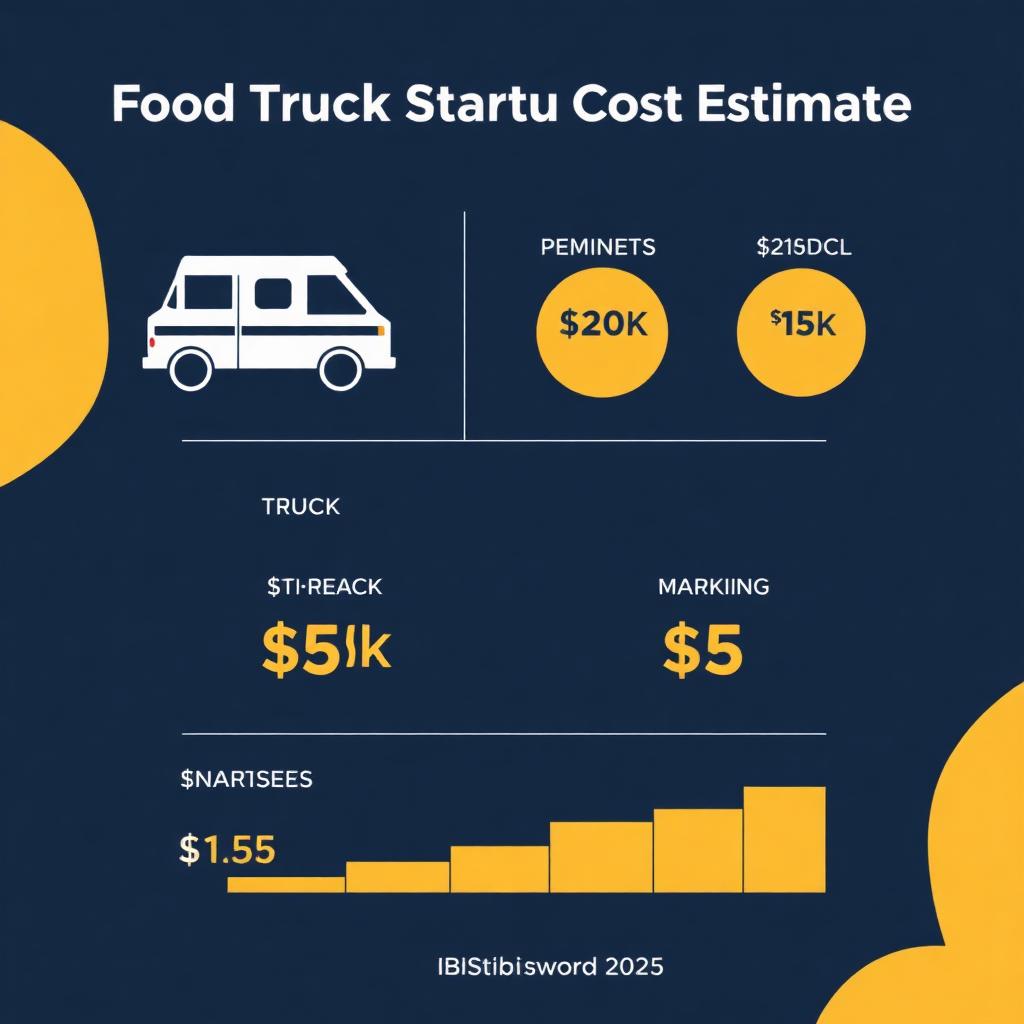
- Total food truck startup cost: typically $50K–$150K (truck $40K–$100K, equipment $10K–$25K, permits $1K–$10K, working capital $10K–$20K).
- Equipment financing covers the truck itself — 10–20% down typical.
- SBA microloan ($50K cap, 8–13% APR) is often the cheapest option for established mobile operators.
- Working capital loans cover inventory, payroll, and permit fees.
- Startups (under 6 months) typically need a co-signer or seller financing.
- Established food trucks (12+ months, $20K+/mo) qualify for term loans, LOC, and equipment refresh.
- Common decline reasons: weather/seasonality concentration, single-location dependency, food handler license issues.
Who this is for
Small business owners researching food truck loans who want a clear, advisor-quality overview before making a financing decision.
Operators comparing a current offer against alternative food truck loans options to confirm they are getting market-competitive terms.
First-time borrowers who want to understand the full food truck loans landscape before applying.
What you need to qualify
Typical requirements across the BizBee Funding partner network. Specific minimums vary by lender and product.
| Requirement | Typical standard |
|---|---|
| Time in business (startup) | Pre-revenue acceptable with equipment financing + PG |
| Time in business (established) | 12+ months for working capital, term, LOC |
| Monthly revenue (established) | $8,000+ for MCA/RBF; $15K+ for term loan |
| Personal FICO | 600+ (650+ for best rates) |
| Permits + food handler license | Active and verifiable |
| Down payment (truck) | 10–25% typical, 0% with strong credit |
Best funding options
Product categories available through BizBee's lender network for this topic.
Equipment Financing (truck)
Secures the truck as collateral. Most common startup financing piece.
SBA Microloan
Up to $50K, 8–13% APR, 84-month term. Excellent for established mobile operators.
Working Capital Loan
Covers inventory, permits, initial payroll.
Business Line of Credit
Best for established trucks managing seasonal swings.
SBA 7(a)
For expansion to multiple trucks or commissary kitchen ($50K–$5M).
Financing a Food Truck, From Startup to Expansion
A new food truck is one of the most common 'startup' applications BizBee sees because the unit economics are clear, the timeline to revenue is fast (often 60–90 days from funding), and the equipment is collateralizable. Startup costs typically break down as: truck $40K–$100K (new build vs. used), kitchen equipment $10K–$25K, permits and licensing $1K–$10K depending on city, branding/wrap $3K–$8K, initial inventory $3K–$8K, and 60–90 days of working capital $10K–$20K. Total: $50K–$150K for most operators.
For first-time owners with no business history, the most accessible options are equipment financing for the truck itself (using the asset as collateral, 15–25% down typical, 60–72 month term) plus a personal credit line or co-signer for the working capital portion. SBA microloans cap at $50K and are an excellent option for borrowers who qualify, current pricing is roughly 8–13% APR with terms up to 84 months per SBA program data.
Established food trucks (12+ months operating, $20K+/mo in deposits) unlock the full product menu: working capital loans for slow seasons, lines of credit for expansion or second-truck investments, equipment loans for new build-outs or commissary kitchens, and SBA 7(a) loans for larger expansions ($50K–$5M).
Lenders evaluate food trucks differently than brick-and-mortar restaurants. Key risk factors: seasonality (winter revenue dips are normal, disclose them upfront), location dependency (single-event reliance is riskier than multi-venue rotation), permit status (verify with city before applying), and equipment age. Bank statements should show consistent daily card and cash deposits, gaps trigger underwriting questions.
The biggest mistake we see is undercapitalization. A food truck launched with the minimum 60-day cushion often runs out of working capital in the first slow week (rain, generator failure, permit issue). Adding $10K–$15K to the working-capital portion at launch is usually the difference between a profitable year-1 and a closed truck. We model 90–120 days of cushion as the safe minimum.
Refinancing existing food-truck debt is a common BizBee placement. Many operators start with a high-rate working-capital loan or MCA, then refinance into a 60-month equipment-secured term loan once they have 12 months of revenue history. Same operator, same truck, often half the carrying cost.
What this typically costs
Representative 2026 cost scenarios. Your actual offer depends on credit, revenue, time in business, and lender.
| $80K truck equipment loan / 72 mo / 12% / 15% down | $1,330/mo · $1,160/mo loan portion + cushion |
| $40K SBA microloan / 84 mo / 10% APR | $664/mo · ideal for established truck working capital |
| $25K working capital / 12 mo / factor 1.28 | $2,665/mo · short-term inventory/permit bridge |
| $15K LOC drawn / 18% APR / interest-only | $225/mo interest on drawn balance |
| Typical total food truck startup financing | $50K–$150K across 1–2 products |
How to decide if this is right for you
Use this 5-step framework to narrow your shortlist before comparing specific offers.
-
1
Build a startup cost spreadsheet with line items
Truck, equipment, build-out, branding, permits, initial inventory, working capital cushion. Pad each by 15%.
-
2
Separate truck financing from working capital
Equipment lender for truck (secured, longer term). Working capital lender for permits/inventory (shorter term, faster funding).
-
3
Budget 90–120 days of working capital, not 60
Weather, permit delays, equipment failures happen. Cushion is survival.
-
4
Run SBA microloan eligibility first
$50K cap, 8–13% APR, 84-month term. Often the single cheapest piece for established operators.
-
5
Refinance high-cost debt within 12 months
Once you have a year of revenue, you can usually consolidate startup MCAs into a much cheaper term loan.
When this makes sense
- You have a clear business plan with permit research completed.
- You can document target locations or events with letters of intent.
- You have 90–120 days of working capital in addition to startup costs.
- Your personal FICO is 600+ and you've cleaned up any recent NSFs.
- You have food handler certification and have verified vendor licensing requirements.
When to be careful
- When you've underestimated permit and licensing costs (vary widely by city).
- When you're financing 100% of startup with no cash cushion.
- When your projected revenue assumes 30+ event days per month from day one.
- When you haven't verified commissary kitchen requirements for your jurisdiction.
- When the equipment loan term is shorter than the truck's expected useful life.
How this plays out in practice
First-time owner done right
Situation: Aspiring owner with 720 FICO, $50K saved, secured a $30K commercial kitchen contract for catering.
Recommendation: $85K equipment loan for truck (15% down from savings, 72-month term at 11.5%), $20K working capital loan (12 months, factor 1.24), $10K personal LOC for permit cushion. Total monthly debt service ~$3,800. Catering contract generated $8K/month from month 1 — covered debt and operating with margin.
Established truck refinancing high-cost debt
Situation: Operator with 2-year-old truck and three short-term MCAs totaling $42K in remaining payback.
Recommendation: Refinanced into a single 60-month SBA microloan at 10.5% APR. Monthly debt service dropped from $4,200 to $980, freed $3,200/month for operations and savings.
Expansion to second truck
Situation: Profitable 4-year operator with $480K revenue wanted to add a second truck.
Recommendation: SBA 7(a) for $145K at 12% over 10 years. Monthly payment $2,080. Second truck generates ~$18K/month in incremental revenue with $7K contribution margin, pays back in <2 years on contribution basis.
Fund your food truck, startup or expansion
Equipment, working capital, SBA microloan, and LOC options through one application. Advisors who understand mobile-food unit economics.
Frequently asked
Common questions
Key facts in one line
- Total food truck startup cost typically runs $50K–$150K across truck, equipment, permits, and working capital.
- SBA microloans cap at $50K and currently price 8–13% APR per SBA program data.
- Equipment financing on the truck itself typically requires 10–25% down with 60–72 month terms.
- Most food truck startups need 90–120 days of working capital cushion at launch.
- Established food trucks (12+ months) can refinance high-cost startup debt into cheaper term products.
Glossary
Terms worth knowing
- Commissary kitchen
- A licensed shared kitchen facility required by many jurisdictions for food truck operators to prep, store, and clean between services.
- Mobile food permit
- A jurisdiction-specific license to operate a food truck. Varies widely by city, verify before financing.
- Seller financing
- When the seller of a used truck finances part of the purchase price directly. Common for owner-to-owner used truck sales.
Ready to Join the Hive?
Apply now via BeeLine™ and get your funding decision in minutes. Complete in less than 60 seconds.